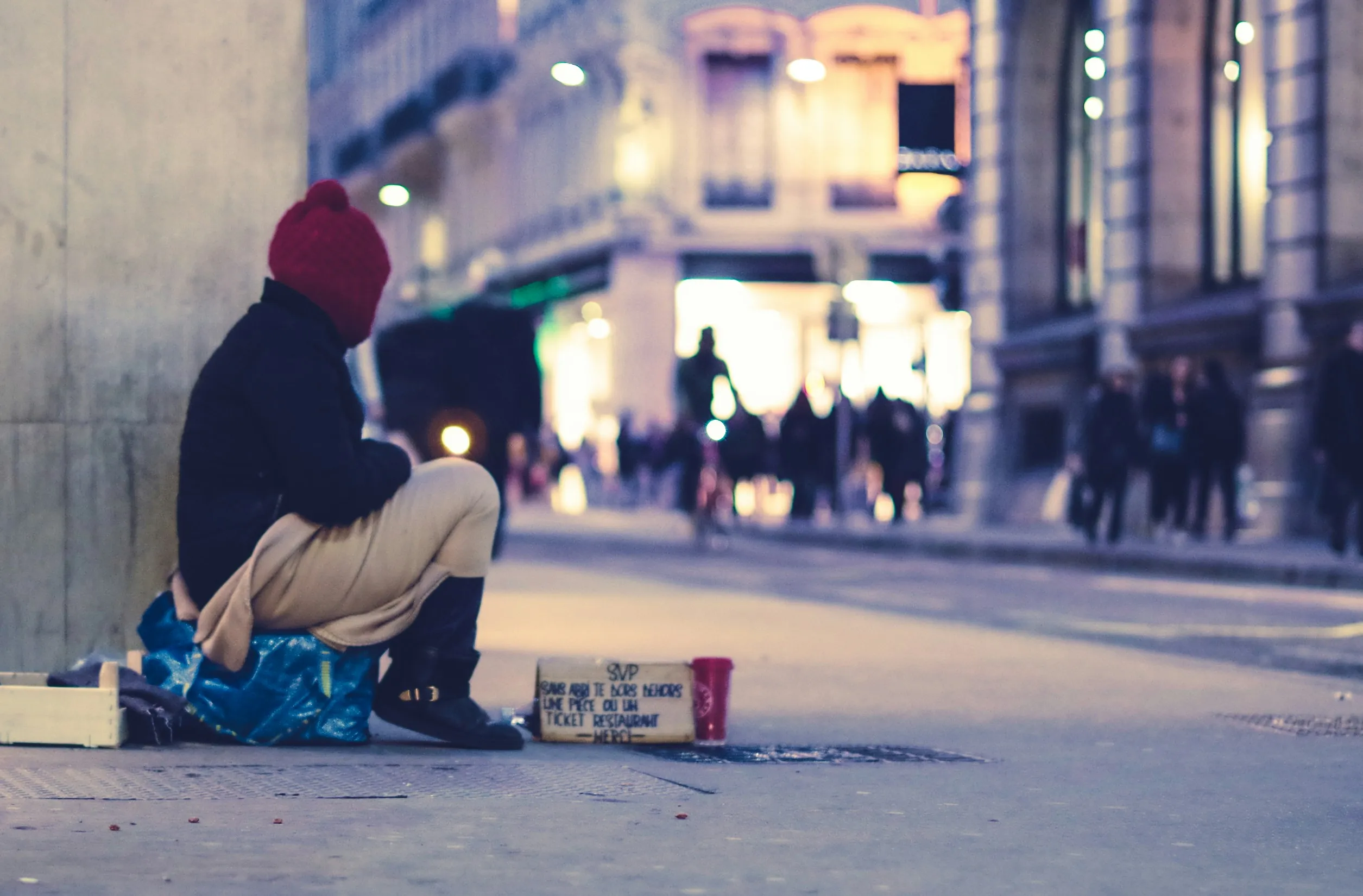
Australia's housing crisis affects lives every day — not just as statistics on a page, but as real people struggling to find safe, secure, and affordable housing. According to the Australian Bureau of Statistics (ABS), 122,494 people were estimated to be experiencing homelessness on Census night in 2021, up 5.2% since 2016. Behind this figure are families drifting from one temporary refuge to the next, older people forced to choose between rent and essentials, students sleeping rough between semesters, and people fleeing violence with nowhere safe to go. Purpose-driven developers, not-for-profits (NFPs), community housing providers (CHPs), and public housing initiatives are working hard to address this crisis — supported by government grants and public-private partnerships. MakeSpace is committed to being part of the solution, supporting providers with mission-aligned, expert advice on their projects.
The Scale of Homelessness in Australia
The ABS Estimating Homelessness Census (2021) found 122,494 people were experiencing homelessness on Census night — a 5.2% increase from 2016. Of these, two in five (39.1%) were living in severely overcrowded dwellings, one in five (19.8%) were in supported accommodation for the homeless, and one in six (18.1%) were living in boarding houses. Between 2016 and 2021, the number of people living in boarding houses rose by 26.5% and the number in supported accommodation increased by 14.4%.
Who Is Most Affected by Homelessness in Australia?
The ABS 2021 Census data reveals that no single group is immune to homelessness, but some Australians are disproportionately affected. Young people aged 12 to 24 accounted for 23% of all people experiencing homelessness — some 28,204 individuals — with homelessness rates highest among those aged 19 to 24 (91 per 10,000 people). Children under 12 years made up 14.4% (17,646 people) of those experiencing homelessness, up from 45 per 10,000 in 2016 to 48 per 10,000 in 2021. Meanwhile, 19,378 Australians aged 55 and over were experiencing homelessness, representing one in seven (15.8%) of the homeless population.Aboriginal and Torres Strait Islander peoples are severely over-represented in homelessness data. In 2021, 24,930 Aboriginal and/or Torres Strait Islander people were estimated to be experiencing homelessness — one in five (20.4%) of all people experiencing homelessness, despite representing approximately 3.2% of the total population. Of these, 60% were living in severely overcrowded dwellings. The Northern Territory had the highest rate of Aboriginal and Torres Strait Islander homelessness at 1,865 per 10,000 people (Source: ABS Estimating Homelessness: Census, 2021).
Housing Affordability: The Renter Crisis in Australia
Homelessness is only part of the picture. Millions more Australians are caught in housing stress — spending more than 30% of their income on rent. According to the ABS Survey of Income and Housing (2019-20), more than half (58%) of lower-income private renters spent over 30% of their gross weekly income on housing. Private renters paid an average of $379 per week in 2019-20, with lower-income renters from the private market spending an average of $353 per week — representing 32% of their gross income. For one-parent families with dependent children, 42% of lower-income households were spending more than 30% of their income on housing costs.
Property price growth has further widened the gap between those who own and those who rent. The ABS Residential Property Price Index recorded a 23.7% rise in property prices across the eight capital cities in the twelve months to December 2021 — the strongest annual growth on record at that time. The mean price of a residential dwelling in Australia reached $920,100, with New South Wales recording the highest mean price at $1,207,200. For many lower-income Australians, the prospect of ever owning a home is increasingly out of reach (Source: ABS Residential Property Price Indexes: Eight Capital Cities, December 2021).
The Role of CHPs, NFPs, and Public Housing in Responding to the Crisis
Addressing Australia's housing crisis requires coordinated action at every level. Community housing providers (CHPs), not-for-profit organisations (NFPs), and specialist disability accommodation developers are on the front line — delivering affordable, supported, and social housing projects across the country. These organisations navigate complex funding environments, stringent compliance requirements, and demanding project delivery timelines, all while serving people in genuine need. Public housing, which saw the proportion of Australian renters housed by state or territory housing authorities decline from 6% of all households in 1999-2000 to just 3% in 2019-20, remains a critical safety net for the most vulnerable in our community (Source: ABS Survey of Income and Housing, 2019-20).
How MakeSpace Supports Housing Providers
MakeSpace works alongside purpose-driven developers, CHPs, NFPs, and public housing agencies to help bring much-needed housing projects to life. We provide mission-aligned advisory support across all phases of housing project delivery — from feasibility and funding strategy through to design, procurement, construction, and handover. Whether the project is crisis accommodation, social housing, specialist disability accommodation (SDA), or affordable housing, our team understands the complexity of delivering housing that genuinely serves the people who need it most. The housing crisis is too urgent, and too widespread, for any single solution or any single organisation to solve alone. That is why MakeSpace is committed to working alongside the providers, developers, and government bodies who are doing the work — supporting them to deliver better outcomes, faster, with less risk.
Get in touch
Ready to deliver housing that makes a real difference? We'd love to discuss your project.


